Our group differences forum in our class was very interesting. I really enjoyed hearing everyone's opinions and thoughts. It brought up many different topics that we have to consider as we prepare to be teachers. Religion, multiculturalism, poverty, gender, immigration, and disabilities are all very important topics to discuss. I loved that every one did not necessarily agree with the articles that they read for each subject. I think the subject that was most eye opening for me was gender. It was not something I ever really thought about apart from the discussion. I feel like our program has prepared us really well to be aware of these topics, but I do agree that we should have a class to prepare us for how to help our ELL students.
From what we were told about the articles, I do not think any of the articles should be thrown out. They were all helpful and brought up good points. I really liked our Kill Santa article; I was sad we ended up not having that much time to discuss it. I think all of the topics are really important to discuss because they are all aspects of the classroom that we will more than likely have to deal with.
Thursday, April 25, 2013

Sunday, April 21, 2013
Barb Rentenbach Reflection
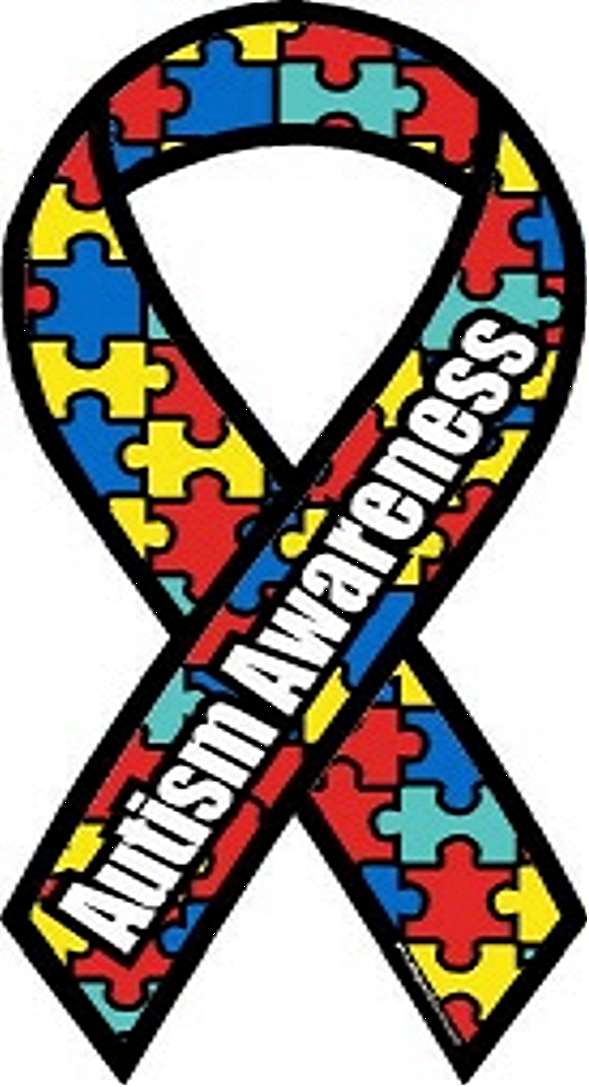
I wish I could have seen Barb Rentenbach in person,
but I enjoyed watching these videos. It
was very relevant to me because I work with two kids that have autism. They can communicate, but mostly with one- or
two-word utterances. I could relate some
of the things Barb mentioned in her book that the people were reading to my
experiences with these kids at work. For
example, one of them likes to carry stuff around with him. Usually it is a book, or toy, but her
statement about sometimes liking to carry objects (like a bowl of nuts and
bolts) made me think about that. I
really liked how she talked about it is harmless. If they are never using it to cause harm,
then why would we take away a piece of their comfort? I am sure that happens sometimes. One way I can better teach children that have
autism in my classroom is by not stressing over the little stuff like
that. I thought facilitated
communication was very interesting. I
love hearing about ways that we allow people who may not speak to communicate
with us (another example is with iPads).
I wondered why one or two of the people in the Here We Are World video
used it though when they were the ones speaking what they wrote. It is so exciting to see that though,
because before they had that to communicate, I’m sure it was extremely
frustrating. I loved that Barb
Rentenbach said not to shelter kids that use facilitated communication. I think this is important to remember with
all of my students; sometimes I underestimate what they are capable of. Students that do not have autism and students
with autism need to be challenged and I need to have high expectations for
them, while still being sensitive to their needs. I also took to heart what she said about
interacting with them. She said nobody
likes to be talked at and sometimes they just want people to be there but not
talk. I am definitely someone who likes
to talk to fill the silence, more particularly with people I do not know very
well. I find myself doing that with the
kids at work that have autism. I will
remember that maybe they just want me to sit with them, but not constantly be
trying to talk to them. This is
something I will take with me into teaching as well. These videos did affect my view of people
with autism in positive ways. They made
me more aware of ways to better communicate with them and interact with
them. I think it is important for all
people to be educated about autism. This
month is actually autism awareness month and we just had autism awareness week
at work. This is good because the
students better understand why a couple of them are different, but still
capable of the same things as them. All
teachers should be educated on autism so that they can better teach students
with autism and adjust the environment to help them be comfortable.
Wednesday, April 10, 2013
Chapter 2--Post #10
Theories in educational psychology promote the idea that language plays a
critical role in cognitive development. Examine Table 2.2 (p. 51), paying
particular attention to the age range that you are interested in teaching.
Consider how you might incorporate or adapt the strategies presented for
use with your own students.
I chose the K-2 grade level and looked at the suggested strategies for linguistic development. At this age, they need to be reading age-appropriate storybooks to enhance their vocabulary. It is important that they read something a little bit challenging but on their reading level because it will boost their confidence when they can read the whole book. I will have books in my classroom that they can choose from, but more importantly I will make sure they go to the library and check out books labeled with their reading level. I also think read-alouds are so important. I plan to read-aloud to my students everyday in my classroom. This will help them work on their listening skills. This is also a great way for them to hear stories that they might not have been able to read on their own. I will also have my students write about their weekends or special events that I know they have gone to. By doing this, they can tell their stories without being disruptive (every Monday my Kindergarteners at work are ALL trying to tell me about their weekend at once) and they will be practicing writing in a way that they hopefully enjoy.
As we progress throughout the year, I will always give corrective feedback when I can tell a student doesn't understand a word or is misusing. This is important because they will keep using the word incorrectly if I don't correct them, and the longer they use the word incorrectly the harder it will be to change. I will also ask questions to check for comprehension. I have observed teachers that give instructions and then ask for the students to repeat it back when they are done; I like this idea not only with instruction. It helps the teacher know whether the students are understanding.
Since I talked about read-alouds, I wanted to include this website. It is readaloudamerica.org and it has lists of books that are suggested for reading aloud. There is a list for each year. It is a very helpful website because the lists are also divided into sections by age/grade level.
I chose the K-2 grade level and looked at the suggested strategies for linguistic development. At this age, they need to be reading age-appropriate storybooks to enhance their vocabulary. It is important that they read something a little bit challenging but on their reading level because it will boost their confidence when they can read the whole book. I will have books in my classroom that they can choose from, but more importantly I will make sure they go to the library and check out books labeled with their reading level. I also think read-alouds are so important. I plan to read-aloud to my students everyday in my classroom. This will help them work on their listening skills. This is also a great way for them to hear stories that they might not have been able to read on their own. I will also have my students write about their weekends or special events that I know they have gone to. By doing this, they can tell their stories without being disruptive (every Monday my Kindergarteners at work are ALL trying to tell me about their weekend at once) and they will be practicing writing in a way that they hopefully enjoy.
As we progress throughout the year, I will always give corrective feedback when I can tell a student doesn't understand a word or is misusing. This is important because they will keep using the word incorrectly if I don't correct them, and the longer they use the word incorrectly the harder it will be to change. I will also ask questions to check for comprehension. I have observed teachers that give instructions and then ask for the students to repeat it back when they are done; I like this idea not only with instruction. It helps the teacher know whether the students are understanding.
Since I talked about read-alouds, I wanted to include this website. It is readaloudamerica.org and it has lists of books that are suggested for reading aloud. There is a list for each year. It is a very helpful website because the lists are also divided into sections by age/grade level.
Subscribe to:
Posts (Atom)